Over the past decade, music-centered projects have rapidly shifted from side hobbies to viable professional opportunities. What used to be a passion pursued after work or on weekends can now become the core of a sustainable livelihood. From home studios and digital releases to live-stream concerts and community initiatives, today’s landscape allows independent creators to build careers piece by piece, project by project.
1. Digital Tools Have Lowered the Barriers to Entry
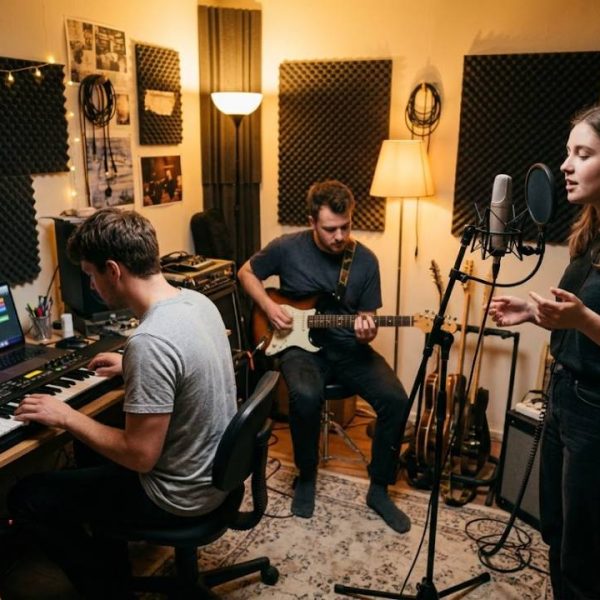
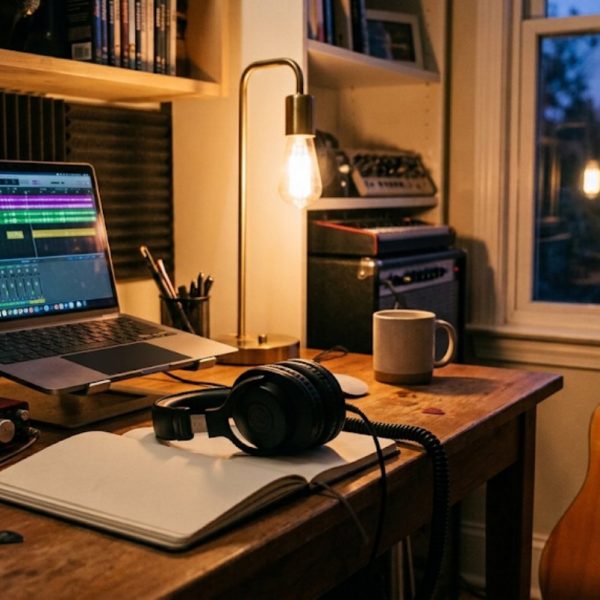
Affordable recording software, user-friendly production tools, and accessible online platforms have made it easier than ever to start and manage music projects. Musicians no longer need expensive studio time or a major-label contract to produce high-quality material. Instead, they can rely on laptop-based setups, cloud storage, and plug-ins that replicate the gear used in professional studios.
This democratization means aspiring artists can test ideas, refine their sound, and release tracks on their own schedules. Whether it’s an EP, a concept album, or an instrumental playlist, a project can be planned, executed, and distributed with a fraction of the time and money it once required.
2. Global Audiences and Live Experiences Are Easier to Reach
Streaming platforms, social media, and virtual performance tools connect musicians with listeners around the world. A song uploaded in one country can gain traction in dozens of others within days. Musicians can livestream performances, host virtual release parties, and engage fans in real time, creating a loyal audience that supports their ongoing work.
As artists travel and perform internationally, communication with promoters, local partners, and fans becomes crucial. Services like on-site interpreting enable smooth collaboration in different languages, helping musicians negotiate agreements, participate in festivals abroad, and connect more authentically with local communities.
3. Multiple Revenue Streams Grow From a Single Project
Each music project can open several income paths. A single album, EP, or soundtrack can generate earnings through digital streams, physical sales, sync licensing for film and advertising, live shows, and exclusive content on membership platforms. Merchandise, limited editions, and behind-the-scenes material can all be bundled around one project to maximize its value.
By treating every project as a small business, artists can capture more of this potential. They set release strategies, negotiate fees, and plan follow-up content that extends the life of each track. Over time, these carefully structured projects build a robust portfolio that supports long-term career growth.
4. Collaboration Encourages Professional Networking
Music projects often rely on collaboration: co-writing, sound engineering, graphic design, video production, marketing, and more. Each collaboration introduces artists to new professional contacts, expanding their network across different parts of the creative and business ecosystem.
Producers can spin off into mixing and mastering services. Visual artists line up future cover work and branding projects. Managers and promoters spot new talent. These connections generate overlapping opportunities, allowing each new project to lead organically to paid gigs, commissions, and long-term partnerships.
5. Niche Audiences Reward Specialized Projects
The internet thrives on niches. Listeners are always searching for highly specific styles: ambient beats for studying, soundtrack-style instrumentals for tabletop games, regional folk music, experimental electronics, or cross-genre fusions. Artists who lean into these niches can stand out, build devoted communities, and monetize their uniqueness.
Instead of chasing mass appeal, many creators design tightly focused projects that serve well-defined audiences. They tailor their branding, sound, and storytelling to those listeners, often seeing higher engagement and more direct support than they might get from a broader but less committed crowd.
Music has become a viable career path again, though the route now runs through platforms rather than labels. Anyone building that career has to understand how tiktok trends accelerate and then exhaust an idea, because timing a release badly wastes the work. The business skill is now inseparable from the creative one.
6. Content Platforms Reward Consistent Project Output
Algorithms favor frequency and consistency. Releasing music in project-based cycles—such as quarterly EPs, seasonal compilations, or a series of singles—feeds the constant demand for fresh content on streaming and social platforms. This regular output keeps fans engaged and signals to platforms that an artist is active and worth recommending.
Planning releases as distinct projects also makes it easier to coordinate marketing campaigns. Each project has its own narrative, visuals, and promotional plan, which can be repurposed across video content, newsletters, blogs, and social media posts. The result is a coherent strategy that builds momentum and visibility over time.
7. Education and Skill Development Are Built Into the Process
Every music project doubles as a learning experience. While writing, recording, and promoting, artists naturally pick up skills in audio engineering, branding, budgeting, communication, and digital marketing. With each new release, they better understand how to pitch playlists, negotiate fees, handle contracts, and cultivate fan relationships.
These transferable skills increase professional options beyond performing. A musician who masters project management can work as a producer, a consultant, a teacher, or a content creator. Music projects therefore become both a portfolio and a training ground, combining artistic expression with practical career development.
8. Community and Social Impact Projects Create Sustainable Work
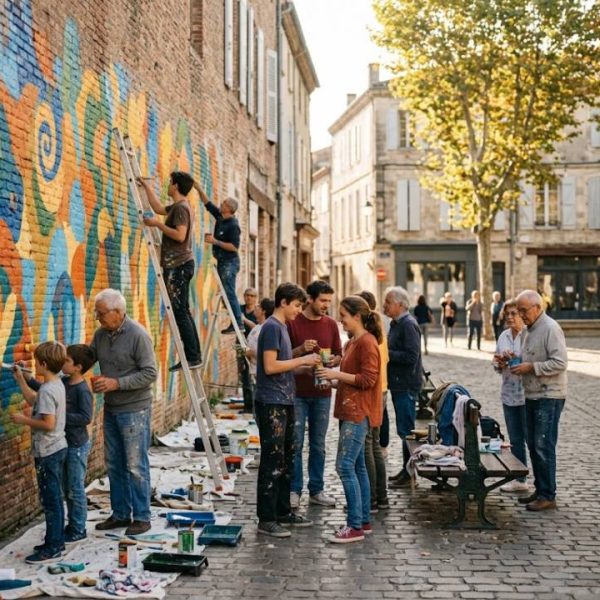
Growing demand exists for music initiatives in education, mental health, community development, and cross-cultural exchange. Artists who design structured projects—workshops, school programs, therapeutic sessions, or multicultural concerts—can secure funding from organizations, grants, and institutions looking for meaningful cultural engagement.
These community-focused projects often span months or years, providing steady work while allowing artists to make a tangible difference. They add purpose and stability, blending artistry with social responsibility in a way that appeals to both funders and participants.
Structured Creativity Builds Sustainable Careers
Music projects thrive at the intersection of creativity, technology, and entrepreneurship. By approaching each new album, EP, workshop, or performance series as a focused initiative with clear goals and multiple revenue paths, artists transform passion into a profession.
With lower entry barriers, global reach, flexible income streams, and opportunities across education, media, and community work, project-based approaches give musicians control over their trajectory. For many, this structured, adaptable way of creating and sharing music is no longer just a pastime—it’s the foundation of a lasting, evolving career.